


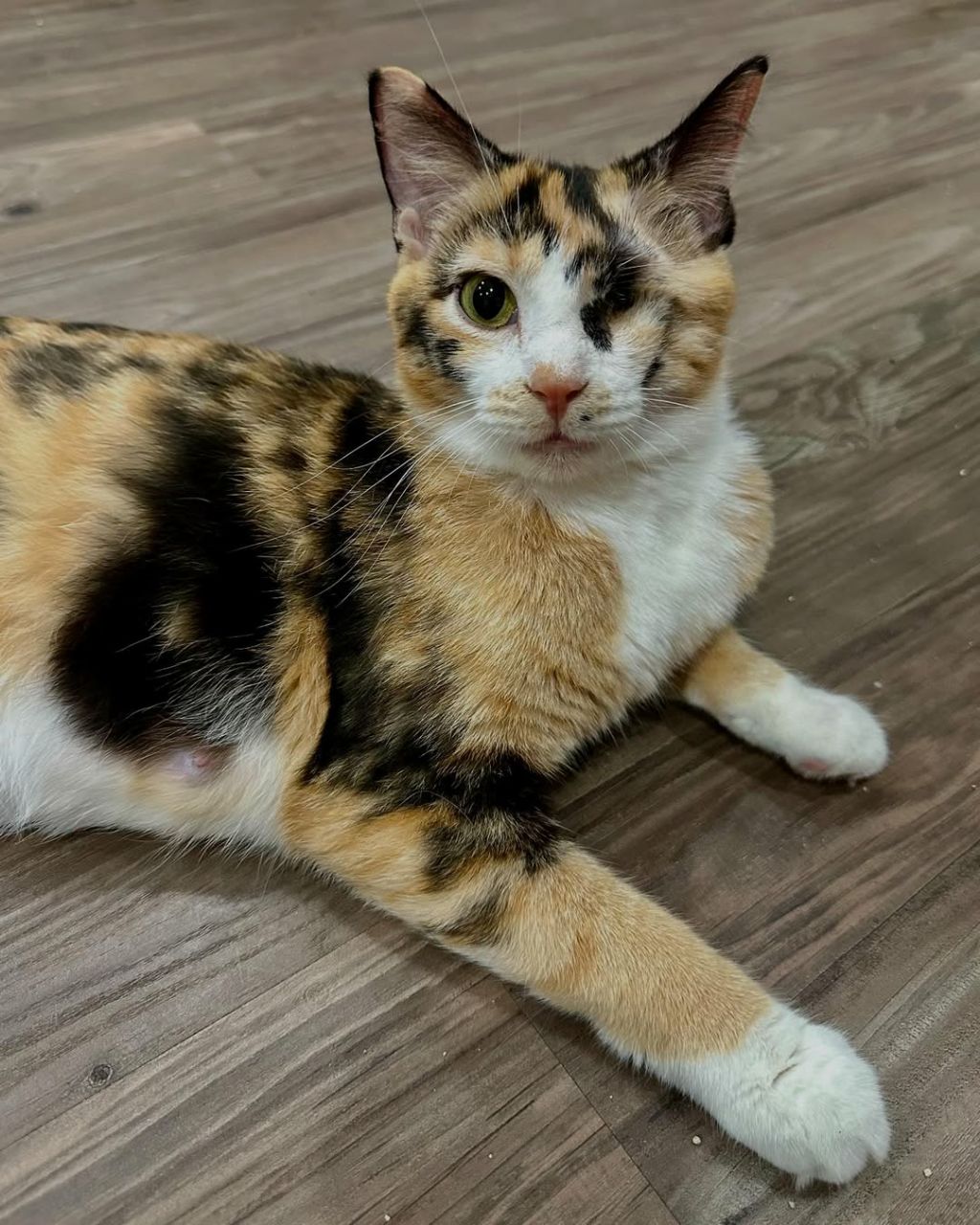
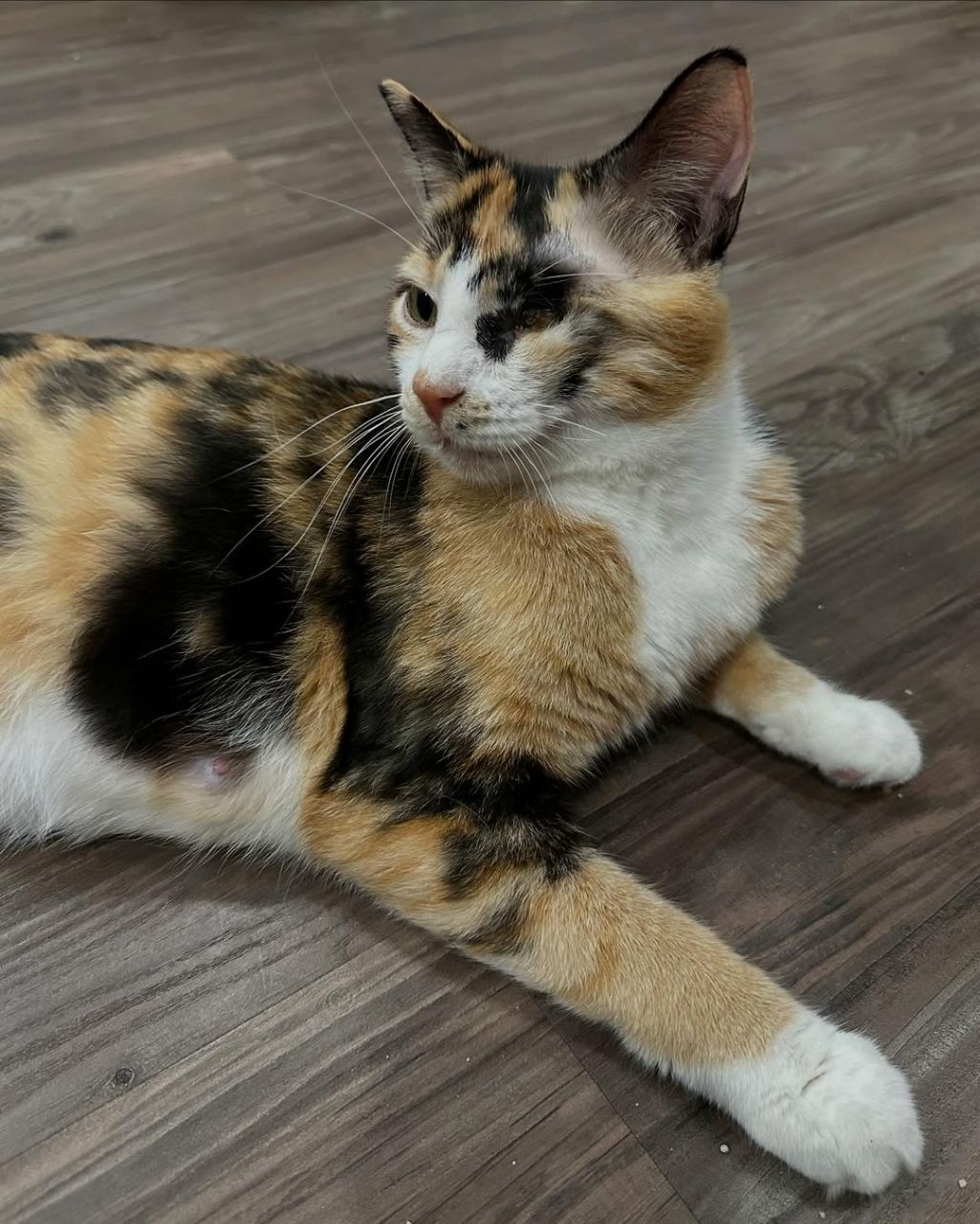
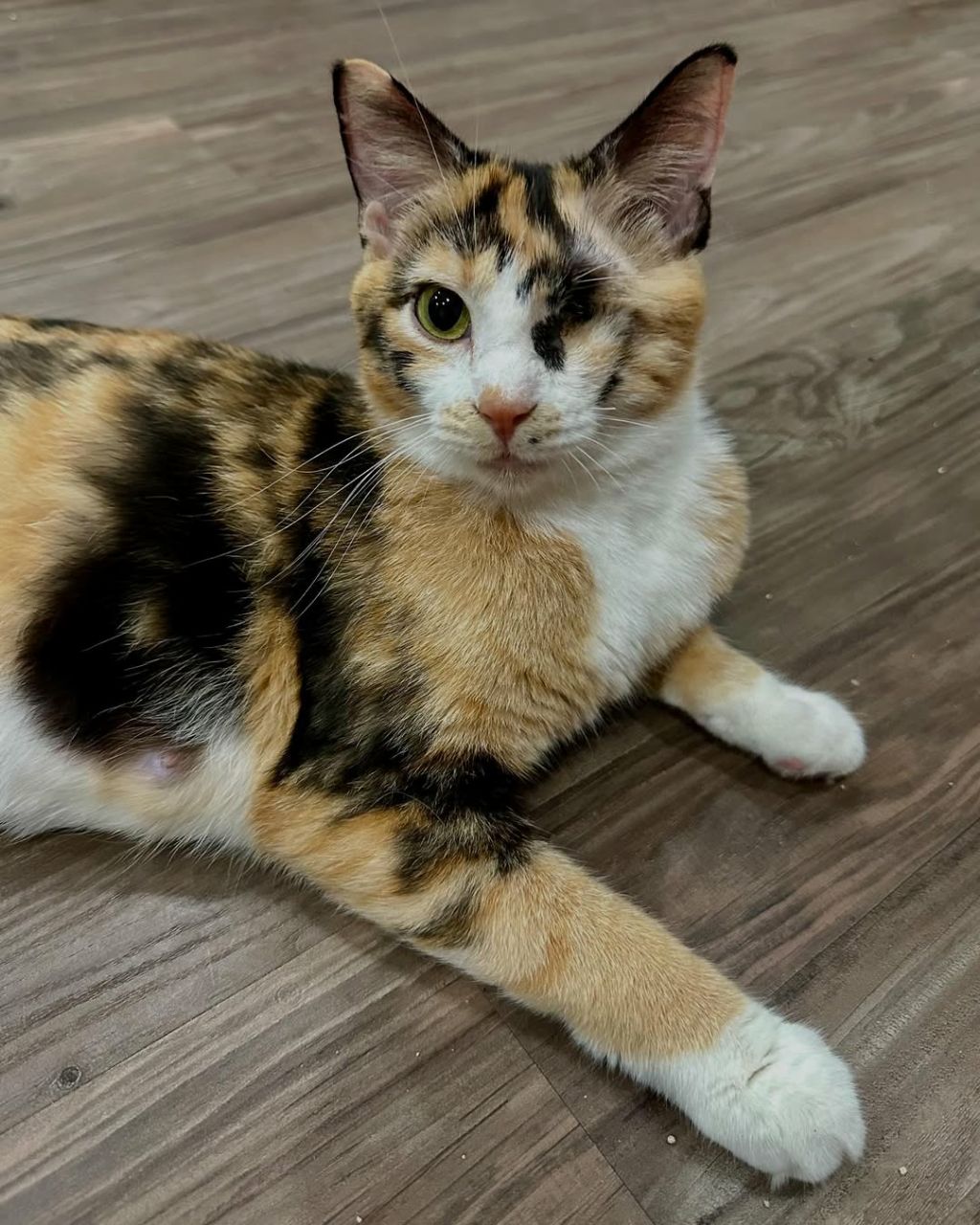




cat adoption is a life‑changing event – for both you and the animal. Yet many people still turn to pet stores or online classifieds when there are thousands of wonderful cats in shelters and rescues desperately needing homes. In fact, approximately 3.2 million cats enter U.S. shelters every year, according to the ASPCA. While adoption rates have improved, millions of healthy, affectionate cats are still euthanized annually simply because there aren’t enough adopters.http://kittensforall.com
When you choose cat adoption, you become part of the solution. You directly reduce overpopulation, fight against unethical breeding practices, and give a second chance to a cat who may have been abandoned, lost, or surrendered through no fault of its own. And the best part? Adopted cats are incredibly grateful – they often bond more deeply with their adopters, as if they know they’ve been rescued.
What to Expect When You Adopt a Cat

cat adoption
Many first‑time adopters worry about the process or the cat’s behavior. Let us put your mind at ease. Most shelters and rescues perform thorough health and temperament assessments. You will know if a cat is good with children, other cats, or dogs before you even meet them. Here is what a typical cat adoption process looks like:
-
Browse available cats – Use our kittensforall.com to filter by location, age (kitten, adult, senior), coat color, and personality traits (e.g., “cuddly,” “independent,” “playful”).
-
Submit an adoption application – Tell us about your home environment, previous pet experience, and any other animals or children in the household. This helps us match you with the right cat.
-
Meet & greet – Spend quality time with your potential new family member. Our adoption counselors are there to answer questions and observe interactions.
-
Home check (sometimes) – Many rescues perform a virtual or in‑person home check to ensure the environment is safe (no open windows, toxic plants, etc.).
-
Adoption fee & contract – Fees vary but typically cover spay/neuter, microchipping, initial vaccinations, deworming, and a veterinary exam. That’s a fraction of what you would pay for a “free” kitten who needs all those services.
-
Take your cat home – You will receive medical records, a starter supply of food, and guidance on the first few days.
Preparing Your Home for an Adopted Cat
Before you bring your new family member home, a little preparation goes a long way. Here is a quick checklist:
-
Safe room – Set up a small, quiet room (bedroom, bathroom, or office) with a litter box, food, water, bed, and a few toys. This allows the cat to decompress without feeling overwhelmed.
-
Cat‑proofing – Remove toxic plants (lilies are deadly!), secure loose wires, and check for small spaces where a cat could hide (behind appliances, under furniture).
-
Vertical space – Cats feel secure when they can climb. A simple cat tree or wall shelf gives them an escape route.
-
Litter box rule – Have one more litter box than the number of cats (e.g., 2 boxes for 1 cat). Place them in quiet, low‑traffic areas.
-
Scratching posts – Provide at least one vertical and one horizontal scratching surface to save your furniture.
For a complete checklist, download our free
-
Reviews
Clear filtersThere are no reviews yet.